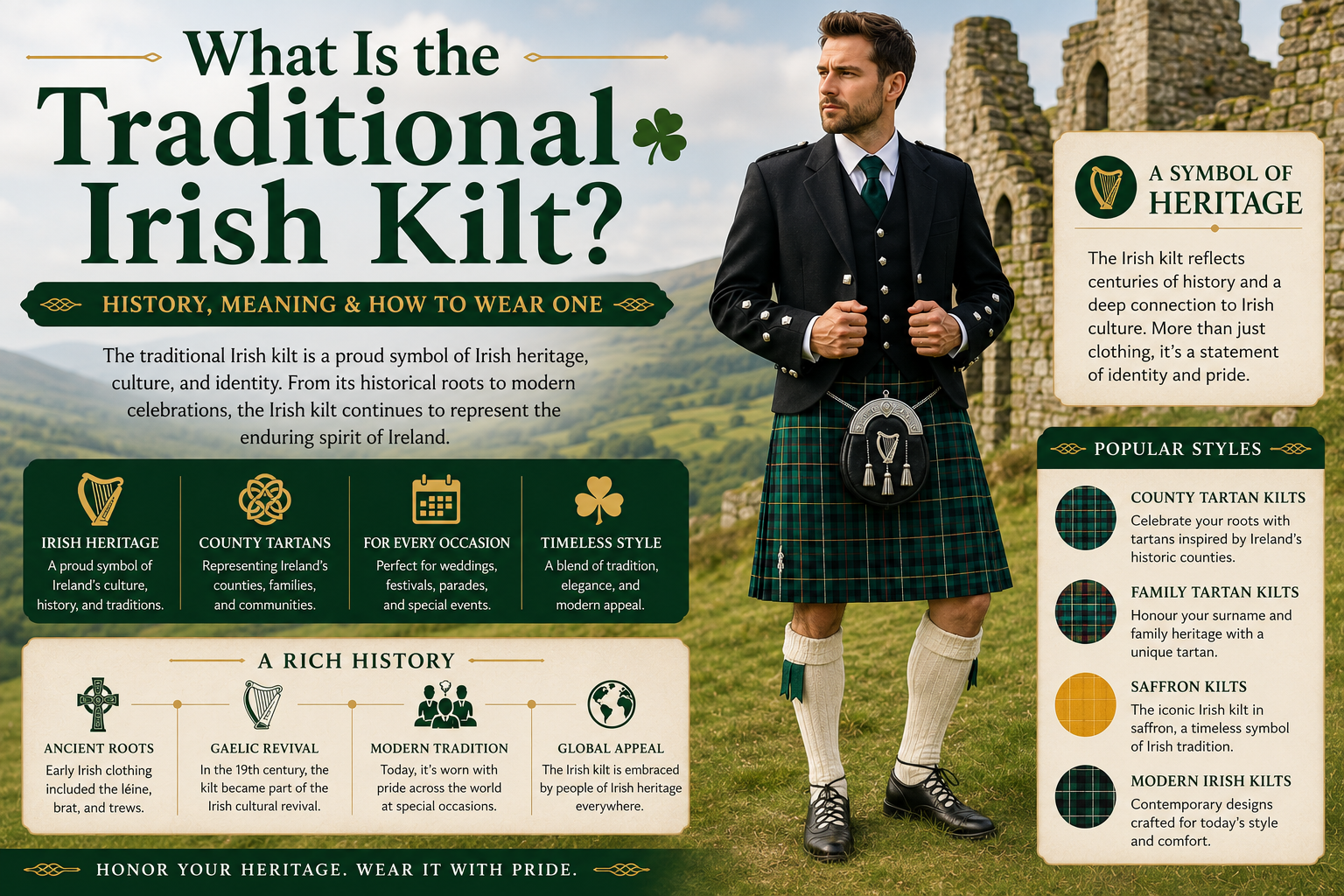
What Is the Traditional Irish Kilt?
The traditional Irish kilt is a knee-length garment worn to celebrate Irish heritage, culture, and identity. Although often compared to the Scottish kilt, the Irish kilt has evolved into a distinct symbol of Ireland, recognised for its county tartans, iconic saffron colour, and strong connection to national pride rather than clan affiliation.
Today, Irish kilts are worn at weddings, St. Patrick's Day celebrations, Irish festivals, military ceremonies, pipe band performances, and family gatherings. They are especially popular among people who want to honour their Irish ancestry while embracing timeless Celtic style.
While the kilt is widely associated with Ireland today, its history is more nuanced than many people realise. Understanding where the Irish kilt came from and how it differs from its Scottish counterpart helps appreciate its place in modern Irish tradition.
Quick Facts about the Irish Kilt
| Feature | Irish Kilt |
|---|---|
| Length | Knee-length |
| Common Fabrics | Wool and tartan fabric |
| Popular Styles | County tartans, family tartans, saffron kilts |
| Occasions | Weddings, festivals, parades, St. Patrick's Day, formal events |
| Cultural Meaning | Irish heritage, pride, and celebration |
| Typical Accessories | Leather sporran, Irish belt buckle, ghillie shirt, kilt hose, brogues |
The History of the Traditional Irish Kilt
One of the biggest misconceptions about Irish kilts is that they have been worn in Ireland since ancient times. While Ireland has a rich history of traditional dress, the modern kilt became associated with Irish culture much later.
Traditional Irish Clothing Before the Kilt
Before kilts became part of Irish ceremonial dress, people wore garments that were practical for everyday life and suited Ireland's climate.
The léine, a long linen tunic, was one of the most common items of clothing in medieval Ireland. It was lightweight, comfortable, and worn by both men and women.
Over the léine, people often wore a brat, a thick woollen cloak fastened with a decorative brooch. Besides providing warmth, the brat was a symbol of status and craftsmanship.
Trews, a style of fitted woollen trousers, were also worn in parts of Ireland, particularly by horsemen and travellers.
These garments formed the foundation of traditional Irish dress long before the kilt became popular.
The Gaelic Revival and the Rise of the Irish Kilt
The Irish kilt gained prominence during the Gaelic Revival in the late nineteenth and early twentieth centuries.
This cultural movement encouraged people to celebrate Irish language, literature, music, and national identity. Alongside these traditions, ceremonial dress became an important way of expressing pride in Irish heritage.
During this period, kilts began appearing in Irish military regiments, pipe bands, cultural organisations, and ceremonial events. While inspired by broader Celtic traditions, they gradually developed their own identity through county tartans, saffron kilts, and Irish-themed accessories.
Over the following decades, the Irish kilt became firmly established as a respected form of ceremonial dress rather than everyday clothing.
Why the Irish Kilt Remains Popular Today
Today, the Irish kilt is worn around the world by people who wish to celebrate Irish culture, family history, or Celtic traditions.
Whether you're attending a wedding, marching in a St. Patrick's Day parade, performing with a pipe band, or celebrating your ancestry, the Irish kilt offers a stylish and meaningful way to honour your heritage.
Its growing popularity has also made it a favourite choice for modern weddings, where many grooms choose an Irish kilt instead of a traditional suit.
Are Irish Kilts Really Traditional?
This question often sparks debate, but the answer depends on how we define “traditional.”
Historically, the earliest forms of Irish clothing did not include the tailored kilt we recognise today. Instead, garments like the léine and brat were more common.
However, traditions evolve over time. Since the Gaelic Revival, the Irish kilt has become an established part of Ireland's ceremonial dress and is now recognised worldwide as a symbol of Irish identity.
In other words, while the Irish kilt may not date back to ancient Ireland, it has earned its place as an authentic expression of modern Irish heritage.
Irish Kilt vs Scottish Kilt: What's the Difference?
Because both garments share a similar appearance, many people assume they are identical. In reality, they reflect different histories and traditions.
The Scottish kilt has a longer documented history and is closely linked to Highland clans. Irish kilts, on the other hand, are more commonly associated with counties, cultural organisations, and national identity.
Although their construction is very similar, their symbolism and traditions set them apart.
Irish Kilt vs Scottish Kilt Comparison
| Feature | Irish Kilt | Scottish Kilt |
|---|---|---|
| Heritage | Ireland | Scotland |
| Historical Development | Popularised during the Gaelic Revival | Originated in the Scottish Highlands |
| Tartan Tradition | County and family tartans, plus saffron kilts | Clan tartans |
| Most Recognisable Colour | Saffron | Clan tartans in various colours |
| Common Occasions | Irish weddings, St. Patrick's Day, cultural festivals | Highland Games, Scottish weddings, Burns Night |
| Symbols | Harp, shamrock, Celtic knotwork | Thistle, Lion Rampant, clan crests |
Both garments are respected symbols of Celtic heritage, and choosing between them usually comes down to personal ancestry, cultural connection, or the occasion.
What Makes an Irish Kilt Unique?
Although Irish and Scottish kilts look similar at first glance, several distinctive features make the Irish kilt unique.
County Tartans
Unlike Scotland, where tartans traditionally represent clans, Irish tartans are often linked to counties. This allows people to celebrate the part of Ireland their family comes from, even if they don't have a recognised family tartan.
County tartans have become especially popular among the Irish diaspora and those researching their ancestry.
The Famous Saffron Kilt
Perhaps the most recognisable Irish kilt is the saffron kilt.
Instead of featuring a tartan pattern, this style is made in a rich golden-yellow colour inspired by saffron-dyed garments historically associated with Ireland.
Today, saffron kilts are commonly worn by:
- Pipe bands
- Irish military units
- Wedding parties
- Cultural organisations
- Traditional musicians
- St. Patrick's Day participants
Its elegant appearance makes it one of the most iconic styles in Irish ceremonial dress.
Irish Symbols
Irish kilts are often paired with accessories featuring symbols that reflect Ireland's history and culture.
Popular motifs include:
- The Irish harp
- Shamrocks
- Celtic knotwork
- Trinity-inspired designs
These symbols add meaning to an outfit while reinforcing its Irish identity.
When Do People Wear Irish Kilts?
Modern Irish kilts are versatile enough to suit both formal and informal occasions. Some of the most popular events include:
Irish Weddings
Many couples choose Irish kilts for wedding ceremonies as a stylish alternative to traditional suits. County tartans and saffron kilts are particularly popular for grooms and groomsmen.
St. Patrick's Day
From local parades to international festivals, the Irish kilt has become one of the most recognisable garments worn during St. Patrick's Day celebrations.
Celtic Festivals
Irish music festivals, Highland gatherings, and heritage events regularly feature attendees wearing Irish kilts to celebrate their cultural roots.
Family Celebrations
Anniversaries, reunions, and genealogy events are all occasions where an Irish kilt can become a meaningful expression of family history.
Product Recommendations
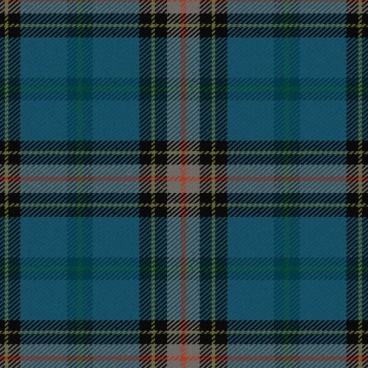
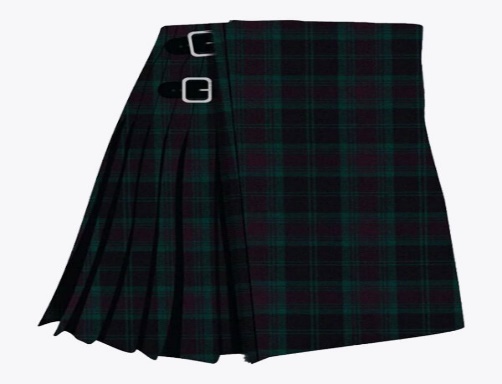
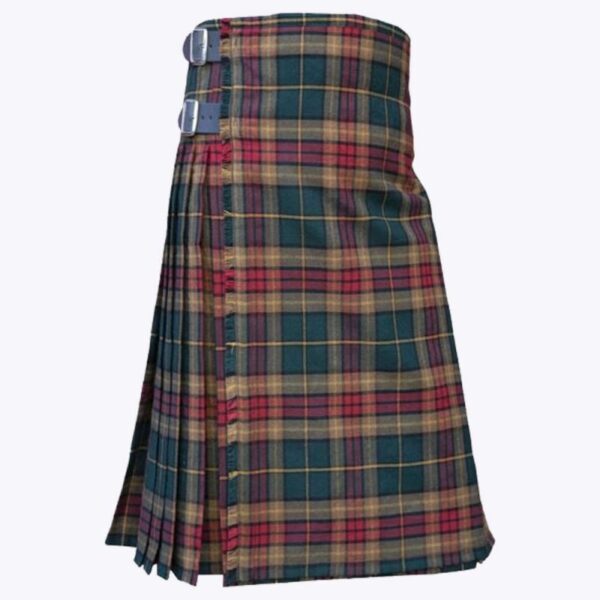
How to Choose the Right Irish Kilt
With so many options available, selecting the right Irish kilt comes down to a few simple considerations.
Consider Your Heritage
If you know your family's county of origin, choosing a county tartan is a meaningful way to celebrate your ancestry.
Think About the Occasion
Different occasions call for different styles.
- Weddings – County tartans or saffron kilts
- St. Patrick's Day – Green or county tartans
- Cultural festivals – Any Irish tartan or saffron kilt
- Formal dinners – Dark tartans with traditional accessories
Choose the Right Fabric
Premium wool provides an authentic appearance and excellent durability, while lighter fabrics can offer greater comfort for warmer weather or frequent wear.
Focus on the Fit
A well-fitted kilt should sit naturally at the waist and fall around the centre of the knee. The right fit not only improves comfort but also enhances the overall appearance of the outfit.
Caring for Your Irish Kilt
A quality Irish kilt is an investment that can last for many years when properly cared for. To keep it looking its best:
- Hang your kilt after each wear to allow the pleats to relax.
- Store it in a cool, dry place away from direct sunlight.
- Brush away dust with a soft clothing brush after use.
- Dry clean wool kilts when necessary to preserve the fabric and pleats.
- Avoid folding the kilt for extended periods, as this can affect the shape of the pleats.
With the right care, your Irish kilt will remain a treasured part of your wardrobe for years to come.
Frequently Asked Questions
Are Irish kilts traditional?
Yes. While the modern Irish kilt became widely adopted during the Gaelic Revival rather than in ancient Ireland, it is now recognised as an established symbol of Irish heritage and ceremonial dress.
What is the difference between an Irish kilt and a Scottish kilt?
The main differences lie in their history and symbolism. Scottish kilts traditionally represent clans, while Irish kilts are more commonly associated with counties, cultural identity, and the iconic saffron style.
Can anyone wear an Irish kilt?
Absolutely. Irish kilts are worn by people of Irish heritage as well as anyone who appreciates Irish culture and Celtic traditions. Wearing one respectfully at cultural events or celebrations is widely accepted.
What is a saffron kilt?
A saffron kilt is a traditional Irish kilt made in a distinctive golden-yellow colour rather than a tartan pattern. It is commonly worn during ceremonies, weddings, and cultural events.
Do Irish families have tartans?
Some Irish families have recognised tartans, but unlike Scotland, Ireland is better known for its county tartans and regional designs.
What accessories should I wear with an Irish kilt?
Popular choices include a leather sporran, Irish-themed belt buckle, white ghillie shirt, kilt hose, brogues, and a traditional jacket for formal occasions.
Can I wear an Irish kilt to a wedding?
Yes. Irish kilts are a popular choice for weddings and are often worn by grooms, groomsmen, and family members. They provide a distinctive alternative to conventional formalwear.
Where can I buy an authentic Irish kilt?
Choosing a well-crafted kilt from a trusted specialist ensures quality, comfort, and attention to traditional design. Explore our collection of Irish kilts to find a style that reflects your heritage and occasion.
Final Thoughts
The traditional Irish kilt is much more than a piece of clothing; it's a celebration of Irish culture, history, and identity. Whether you choose a county tartan to honour your ancestral roots or a classic saffron kilt for a formal occasion, wearing an Irish kilt is a meaningful way to embrace centuries of tradition.
Complete your outfit with carefully chosen accessories, and you'll have a timeless look that's suitable for weddings, festivals, parades, and cultural celebrations alike.
Explore our collection of Irish Kilts to find the perfect style for your next special occasion and celebrate your heritage with confidence.