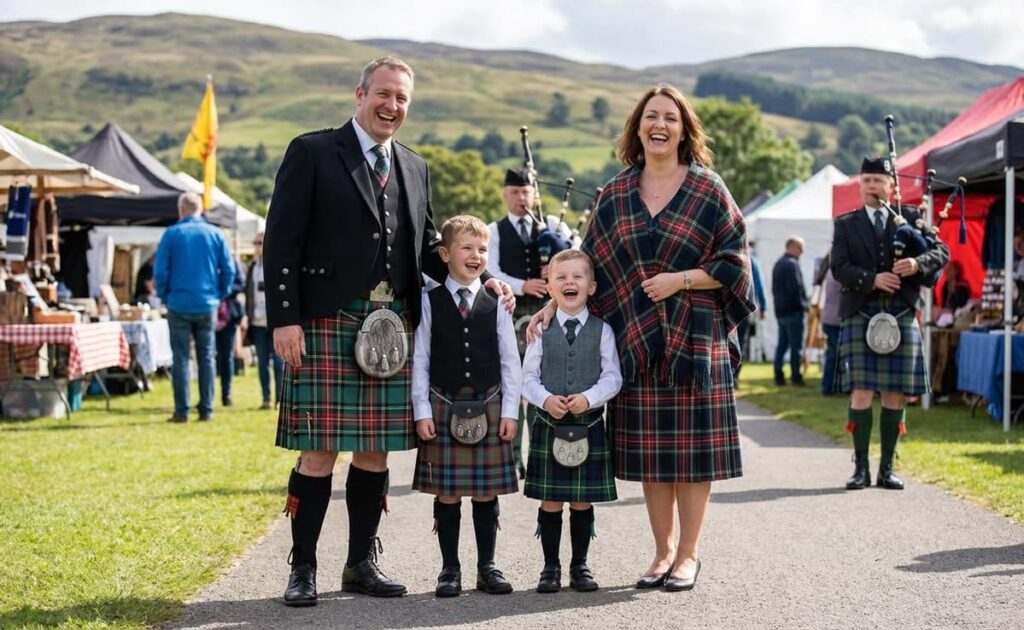
If you have a friend who’s fiercely proud of their Scottish heritage, few gifts carry as much meaning as a kilt. It’s not just an item of clothing — it’s a piece of identity, history, and craftsmanship. But before you rush off to order one, there are a few things worth knowing so your gift actually fits and feels right.
Why a Kilt Makes Such a Meaningful Gift
A kilt isn’t just a garment; for many people of Scottish descent, it’s a way to physically connect with their family history. Gifting one shows you’ve put real thought into celebrating who your friend is — especially if you take the time to get details like tartan pattern, fabric weight, and fit correct.
Step 1: Know (or Discover) Their Clan Tartan
Every Scottish clan traditionally has its own tartan pattern — the woven check design that identifies the wearer’s family or region. Before buying:
- Ask your friend if they know their family’s tartan, or do a little digging yourself using their surname.
- If there’s no clear clan connection, “universal” tartans like the Black Watch or Flower of Scotland are safe, widely respected choices.
- Some people also choose a district tartan (tied to a region rather than a family name) if their heritage isn’t clan-specific.
Step 3: Get the Sizing Right — This Is the Part People Get Wrong
Here’s where most first-time kilt buyers stumble: a kilt is not sized the same way as trousers.
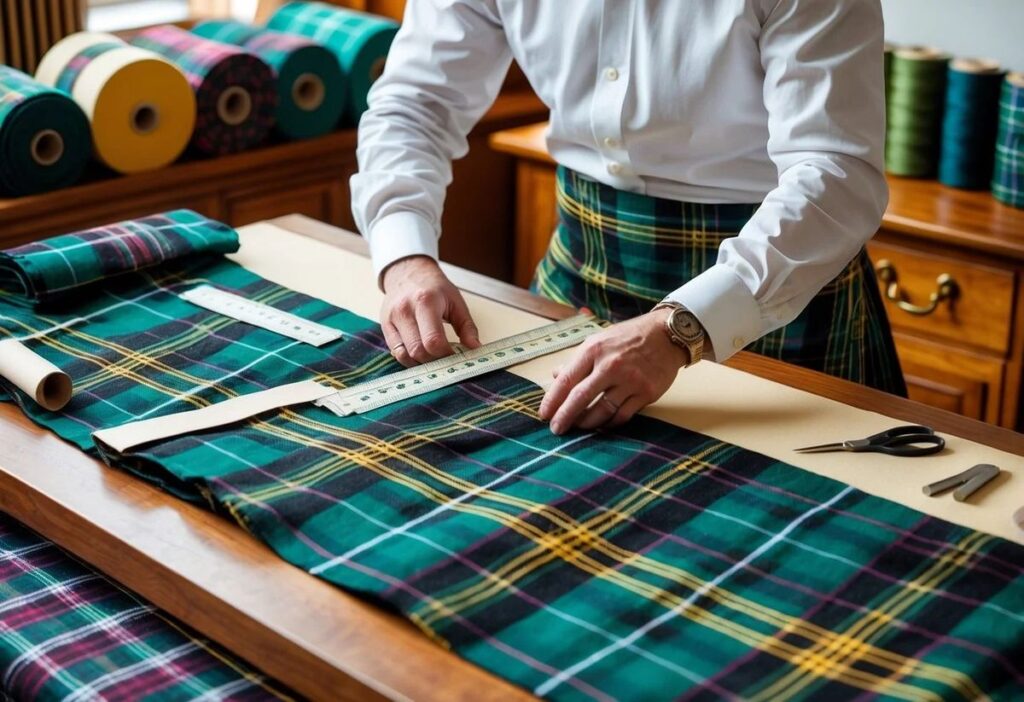
Kilts sit higher on the body — around the natural waist, near the belly button — rather than at the hips like most modern pants. Because of this, kilt waist measurements typically run larger than a person’s regular pants size.
A commonly used rule of thumb:
Kilt waist size ≈ Pant waist size + 3 to 4 inches
So, for example:
- If your friend wears a 32-inch pant waist, their kilt waist size will likely be around 36 inches.
This is just a general guideline, though — actual sizing can vary depending on the kiltmaker, the person’s build, and how they prefer it to sit. If you want a precise fit rather than an estimate, it’s worth either:
- Asking your friend directly for their kilt measurements (some people already know them), or
- Getting their natural waist and hip measurements discreetly, or
- Choosing a brand that offers exchanges, in case the first size isn’t quite right.
Step 4: Consider the Accessories
A kilt alone is great, but a small accessory bundle turns it into a complete gift:
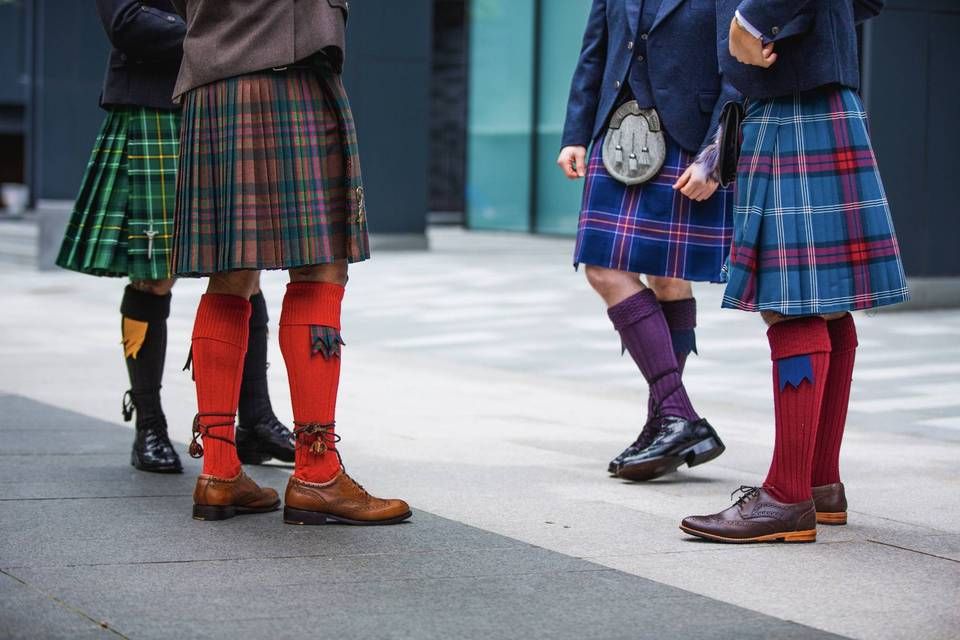
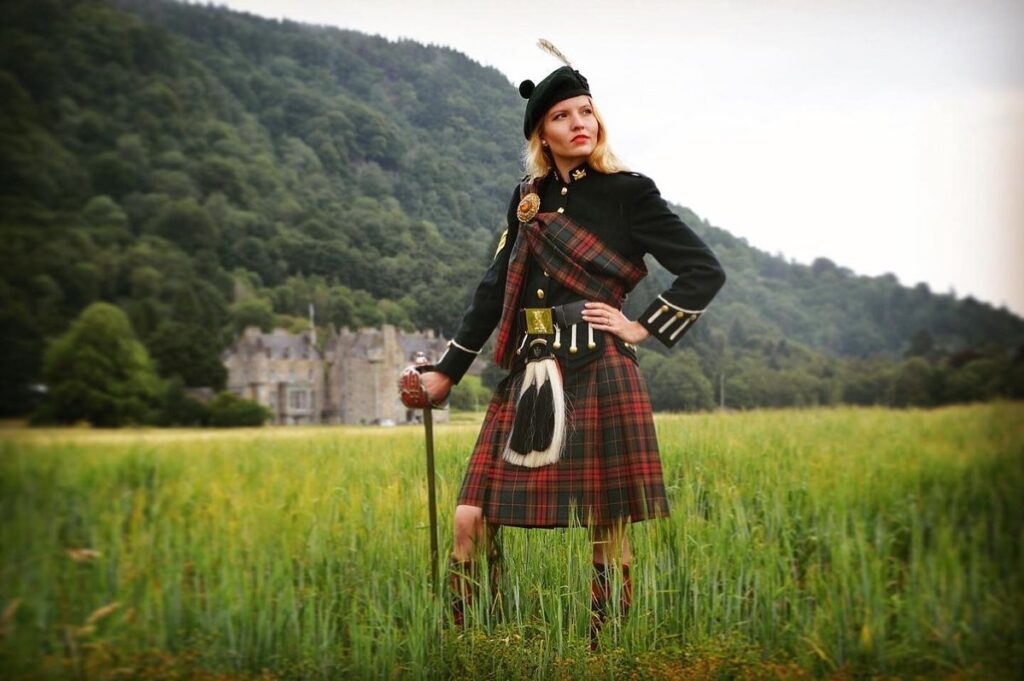
- Sporran (the pouch worn at the front) — functional and traditional
- Kilt pin — secures the front apron and adds a decorative touch
- Sgian-dubh (small ceremonial knife tucked into the sock) — a classic finishing piece
- Kilt hose (socks) and flashes — often overlooked but essential for a full traditional look
Even one or two of these thrown in shows extra thoughtfulness.
Step 5: Decide Between Traditional and Modern Styles
Not everyone wants a full formal kilt. Options include:
- Traditional tartan kilts – for ceremonies, weddings, heritage events
- Utility/casual kilts – modern, everyday-wear versions in solid colors or simpler patterns
If you’re unsure which your friend would prefer, a casual utility kilt is a safer, lower-pressure gift than committing to a specific clan tartan.
Some of the Most Famous Kilt Tartans
If your friend doesn’t have a clear clan connection (or wants something beyond it), a few tartans are famous enough to work as a gift on their own merit:
- Black Watch — Dark green, navy, and black with no red at all, this is the oldest military tartan there is, tied to the Black Watch regiment. It’s become one of the most universally worn tartan.
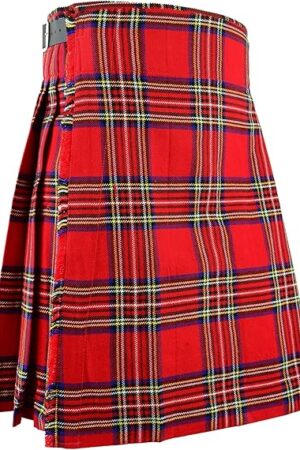
- Royal Stewart — The bold red, green, and blue tartan most people picture when they think “Scottish plaid.” It’s the personal tartan of the British monarch, and its popularity has made it a de facto universal tartan that anyone without a clan tartan can wear.
- Lindsay — A striking blue-and-red tartan tied to the Lindsay family, whose name first appeared in the Scottish Borders in the 12th century. It’s a good pick if your friend’s surname or family research points toward the Borders region.
- County Cork — Not a Scottish clan tartan at all, but an Irish county tartan in warm greens, gold, and red. It’s one of several Irish county tartans created in 1996 so people could celebrate their Irish heritage even without a family tartan of their own — worth mentioning if your friend’s roots are Scots-Irish or split between the two.
Any of these four are safe, well-known choices if you’d rather not commit to a specific clan tartan — or if your friend’s heritage doesn’t trace to one clan in particular.
Final Thoughts
A kilt is a gift that says: I see your heritage, and I respect it. Getting the tartan right shows research; getting the sizing right shows care. Just remember the golden rule — take your friend’s pant waist size and add roughly 3-4 inches to land on the right kilt size (so a 32-inch pant waist becomes about a 36-inch kilt waist) — and you’ll be well on your way to giving a gift they’ll actually wear with pride, not just hang in a closet.